A Balanced Chill: Living Well in Winter
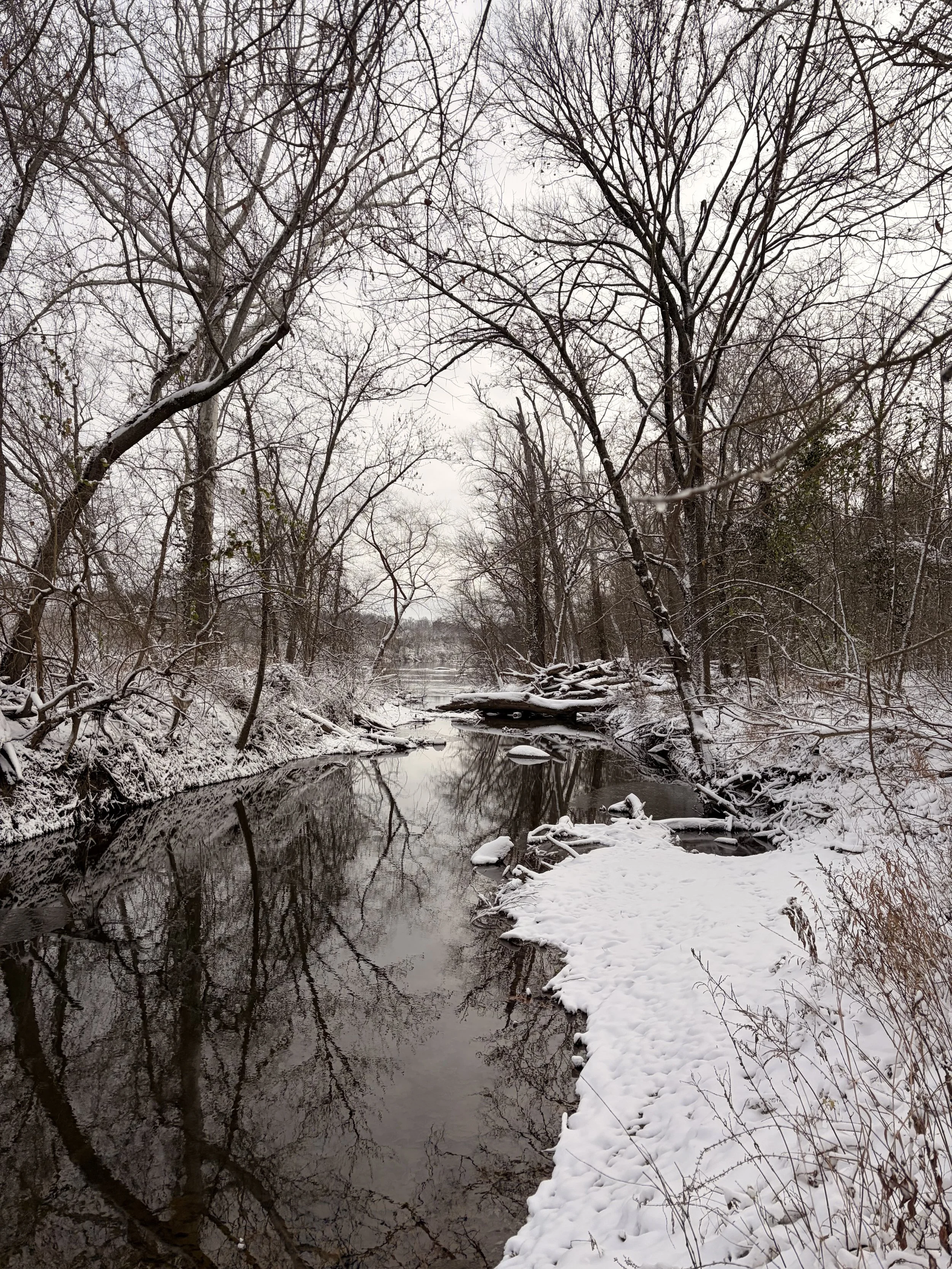
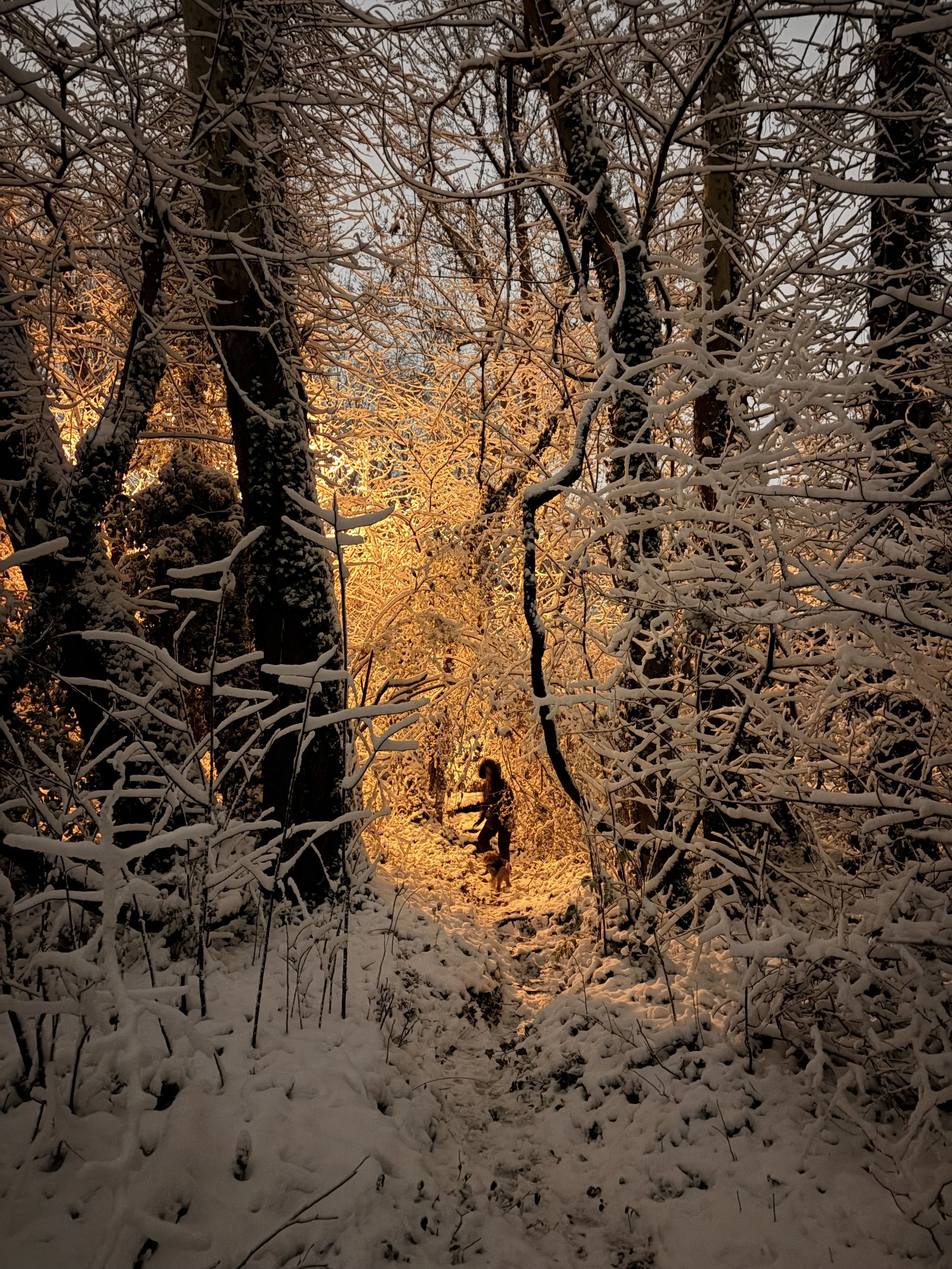
Winter arrives without apology. The light thins. Sound softens. What so recently surged outward begins its quiet return inward. In nature, this is not a failure of momentum but a necessary descent— a gathering of resources beneath the surface, where life is preserved and cultivated rather than displayed.
In Chinese medicine, winter belongs to the Water element and the Kidneys, the storehouse of our deepest reserves. This is the season of essence, of what is kept rather than spent. Seeds wait in frozen soil. Animals sleep. Rivers slow beneath skins of ice. The wisdom of winter is not productivity, but preservation. It asks for restraint, for listening, for an honest accounting of what has been depleted and what still remains.
Culturally, we resist this invitation. We light our homes brightly and push forward as if daylight had not shortened, as if bodies were not affected by cold and darkness. We treat fatigue as a flaw rather than a signal. Yet the body knows better.
Winter reveals itself in the clinic through deeper exhaustion, aching joints, flares of fear and uncertainty, and longing without ground. These are not problems to be eradicated, but communications— requests for warmth, rest, and steady stillness.
To live well in winter is to move slowly enough to hear these messages. It is to protect sleep as sacred, to nourish with warming foods, to choose fewer commitments and keep them with care. It is to accept that some questions will remain unanswered for now, resting like seeds in the dark. Water teaches patience. What is stored properly will be available when movement returns.
There is a quiet strength in winter that often goes unrecognized. It is the strength of endurance, of continuity, of life carried invisibly forward. Nothing is wasted here. Even grief and uncertainty, when held gently, become part of what sustains us. Winter does not demand optimism. It asks for honesty and tenderness.
Eventually, of course, the thaw will come. It always does. But spring depends entirely on what winter was allowed to keep. This season is not something to rush through. It is something to inhabit fully, trusting that stillness itself is a form of work, and that rest (when taken seriously) is an act of devotion to life.
As a practical matter, winter benefits from deliberate, uncomplicated care. Warmth becomes foundational: keeping the low back (the kidney area), feet, and neck protected from cold, and choosing cooked, mineral-rich foods rather than raw or chilled meals. Long-simmered broths, root vegetables, beans, and a modest use of warming spices help conserve rather than scatter energy. Hydration remains essential, though it is often forgotten when heat and thirst are less prevalent.
Sleep deserves a particular reverence in this season. Earlier nights and fewer late obligations allow the Kidneys to replenish what has been spent through the year. Gentle movement— walking, stretching, slow practices that build without strain— support circulation without exhausting reserves. This is not the time for extremes or aggressive self-improvement, but for consistency and moderation.
Emotionally, winter asks for containment rather than resolution. Journaling, quiet reflection, and limited exposure to constant stimulation help create an inner boundary where fear and uncertainty can be witnessed without amplification. Seeking warmth through connection (shared meals, honest and tender conversation, steady support) counterbalances isolation without overwhelming the nervous system.
Perhaps the most important practice is discernment. Winter teaches when to say no, when to rest to prevent collapse, and when to conserve for what is not yet visible. These choices, through subtle, are cumulative. They determine how much vitality remains when the light begins to return.
Just as summer heat requires cooling to maintain balance, winter cold benefits from judicious warmth. This means small, intentional expressions of fire. Candles in the evening, warming spices used thoughtfully, moxibustion, sauna, hot baths, laughter, music, moments of creative engagement— these alll introduce yang without scattering it. When applied with restraint, fire protects Water rather than depleting it, keeping circulation alive and spirit anchored.
Equilibrium in winter is found by working within the cold and deliberate. It asks us to tend the flame carefully enough that it lasts. Balance here is quiet and alive: enough rest to restore, enough warmth to circulate, enough inspiration to remember why preservation matters. When we honor winter in this way, we do not merely endure it. We participate in it, trusting that what is being protected now (energy, spirit, intention) will once day rise again, changed but intact, rooted— ready for the work of another season.